
International Laboratory of Social Neurobiology to Look at How Fake News Affects Human Behaviour
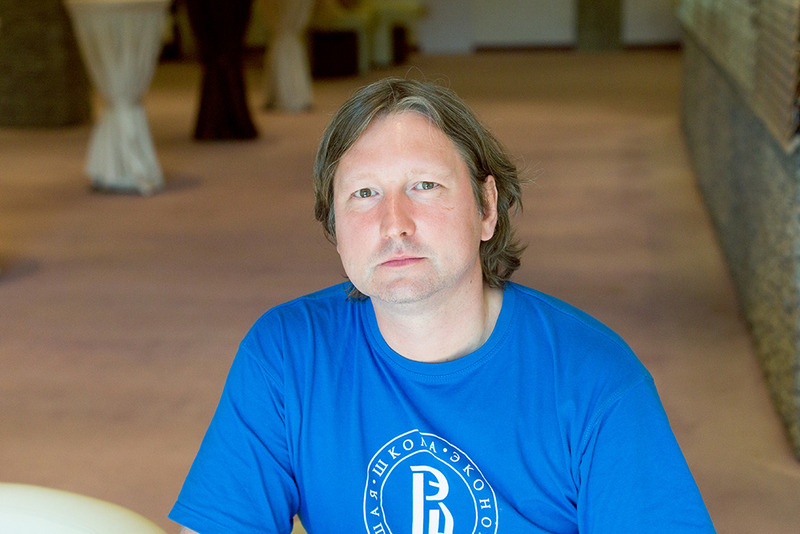
The mega-grant allocated by the Russian government to the International Laboratory of Social Neurobiology, has been extended for 2022-23. The laboratory was founded two years ago and is headed by Iiro Jaaskelainen, a leading neurobiologist from Finland. Laboratory Head Vasily Klucharev spoke to the HSE News Service about the results the lab has already achieved and the prospects for the next two years.
Thurstonian measurement of risk preferences: contemporary economic outlook
The speaker of the seminar Alexis V. Belianin, Senior Research Fellow of International Laboratory for Experimental and Behavioural Economics, HSE
Do sparse brain activity patterns underlie human cognition?
Speaker of the seminar, Iiro Jaaskelainen, is the scientific director of the International Laboratory of Social Neuroscience at the Institute of Cognitive Neuroscience of the Higher School of Economics, Professor of the Department of Neuroscience and Biomedical Engineering at Aalto University.
Readiness to Punish Others for Selfish Behaviour Explained by Functional Brain Connections
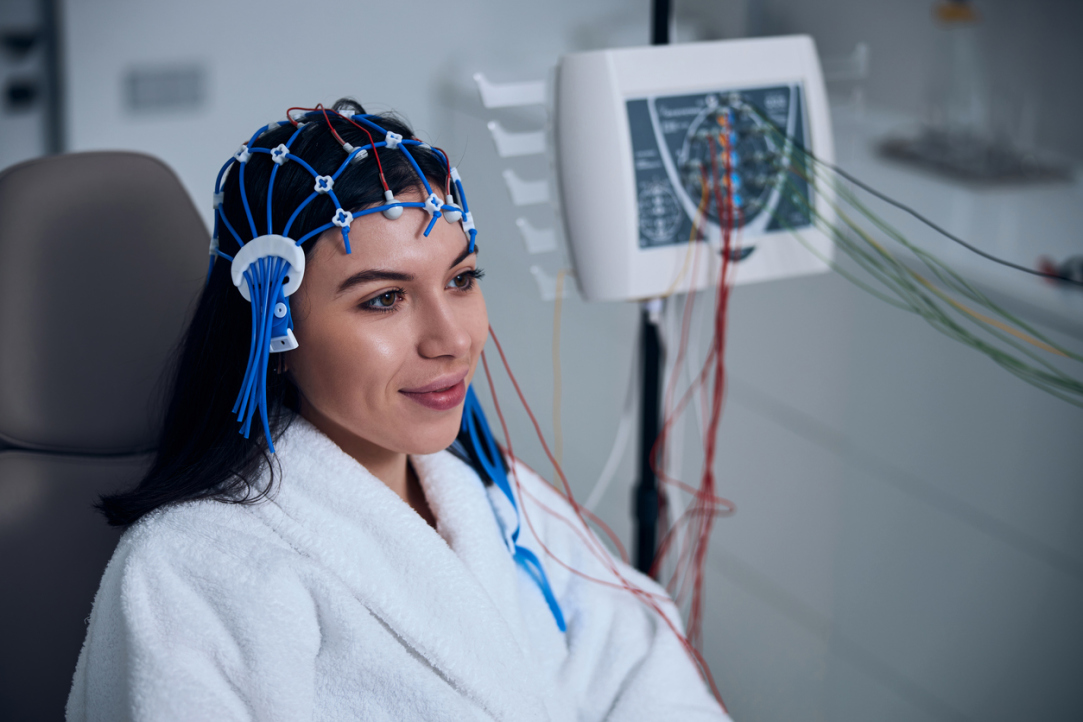
The stronger the functional brain connections, the less inclined someone is to punish others for unfair behaviour. This conclusion was reached by HSE researchers following a neuroimaging experiment. Their paper ‘Wired to punish? Electroencephalographic study of the resting-state neuronal oscillations underlying third-party punishment’ was published in the journal Neuroscience.
International School of Social Neurosciences 'Inter-subject Correlation Analysis of fMRI Data: Hands-on Learning'
On June 21-23, a Summer School on fMRI data processing was held on the basis of the world-class Scientific Center "Center for Interdisciplinary Human Potential Research" of the Higher School of Economics, together with Aalto University (Finland) and the international project iBrain
A neuroscientific perspective on the shades of empathy
Speaker of the seminar Gal Raz, PhD, Tel Aviv University, TAU School of Film and Television
The when and what of episodic encoding
Speaker Aya Ben-Yaakov, Research Fellow at MRC Cognition and Brain Science Unit, University of Cambridge.
XXII April International Academic Conference Roundtable discussion (event completed)
Topic: «(In)homogeneous (ir)rationality. How the brain makes decisions»
Chairman / Co-chairman (Vasily Klucharev / Boris Gutkin)
"The self- and other-referential processing"
Speaker of the seminar Knyazev G.G., Doctor of Biological Sciences, Head of the Laboratory of Differential Psychophysiology of the Scientific Research Institute of Neurosciences and Medicine
Neurotechnology: The Decline of Freedom or New Horizons for Human Development?
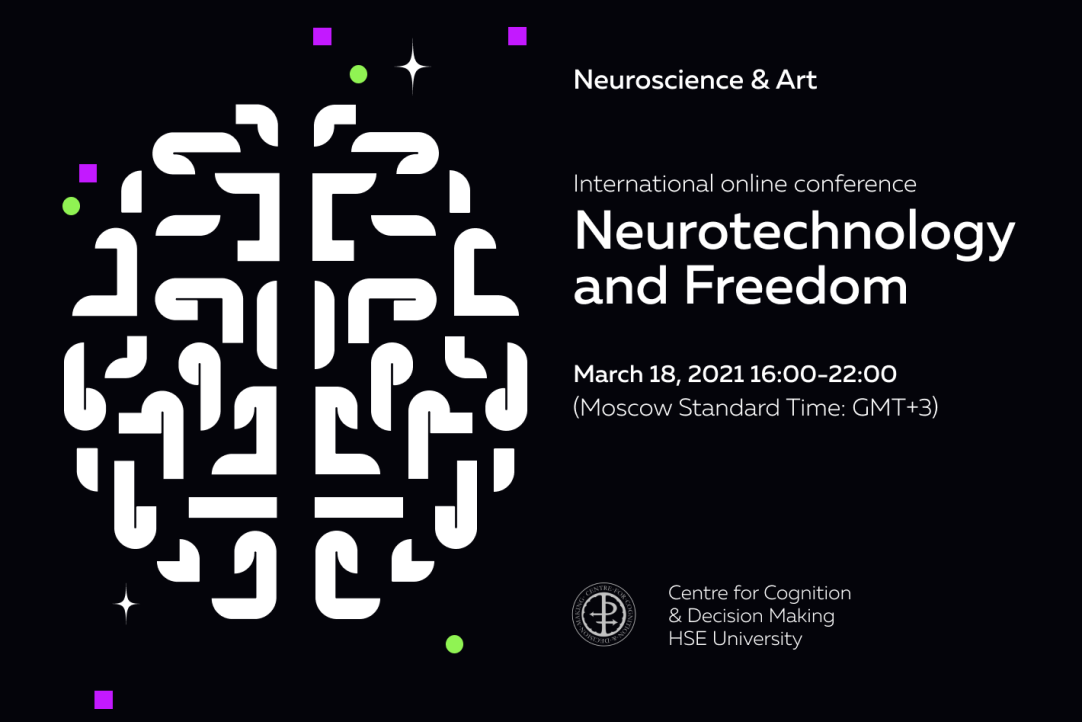
On March 18, HSE University will host the international Neurotechnology & Freedom Conference, which will be held online. In an exchange with HSE News Service, Vasily Klucharev, director of the Institute for Cognitive Neuroscience and tenured professor at HSE University, discussed what views on the compatibility of these two concepts exist in modern science and art.