

Smoking Habit Affects Response to False Feedback
A team of scientists at HSE University, in collaboration with the Institute of Higher Nervous Activity and Neurophysiology of the Russian Academy of Sciences, studied how people respond to deception when under stress and cognitive load. The study revealed that smoking habits interfere with performance on cognitive tasks involving memory and attention and impairs a person’s ability to detect deception. The study findings have been published in Frontiers in Neuroscience.
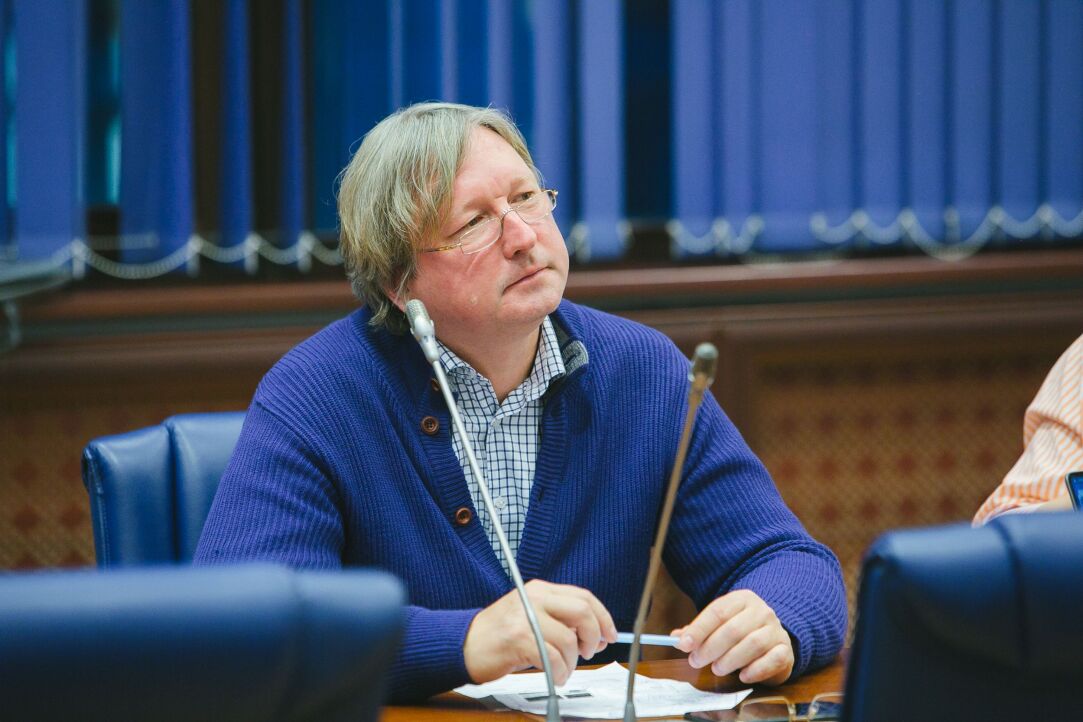
HSE University Hosts Russia’s First Doctoral Defence in Cognitive Science
Vasily Klucharev, HSE professor and Leading Research Fellow at the Institute for Cognitive Neuroscience, successfully defended his doctoral dissertation in cognitive science. This was the first doctoral dissertation in this discipline in Russia.
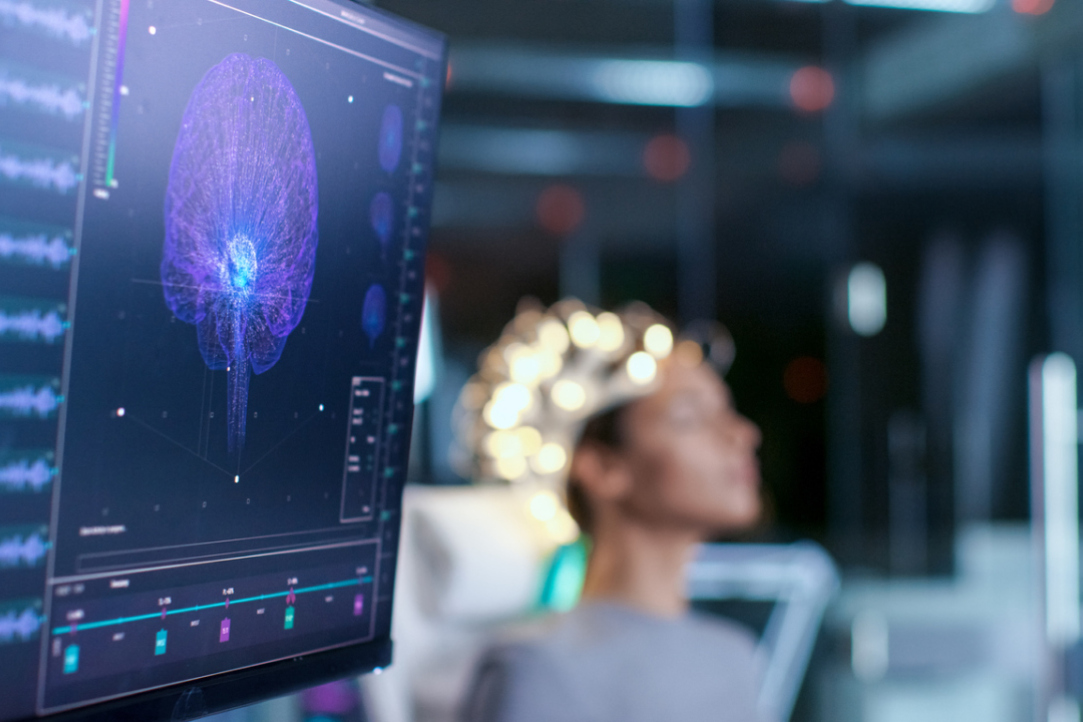
Connecting Space and Time: Bilinguals Associate Time with Space in Both Their First and Second Languages
An international team of researchers including scientists at HSE University investigated how bilingual individuals associate time with space. It turns out that in both their first and second languages, people associate the past with the left side of space and the future with the right. In fact, the higher the proficiency in a second language, the more pronounced this relationship becomes. The study findings have been published in Scientific Reports.
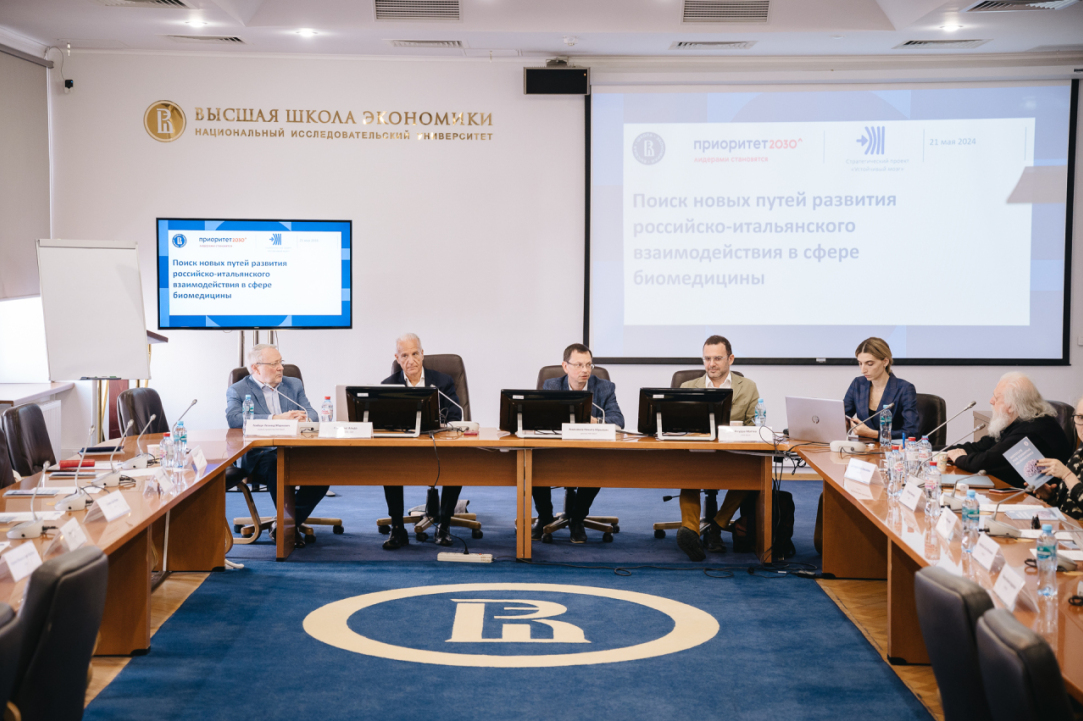
Russian-Italian Projects in Biomedicine Discussed at HSE University
HSE University hosted an international mini-conference titled 'Search for new ways to develop Russian-Italian cooperation in the field of Biomedicine,' attended by scientists from both countries and HSE Rector Nikita Anisimov.
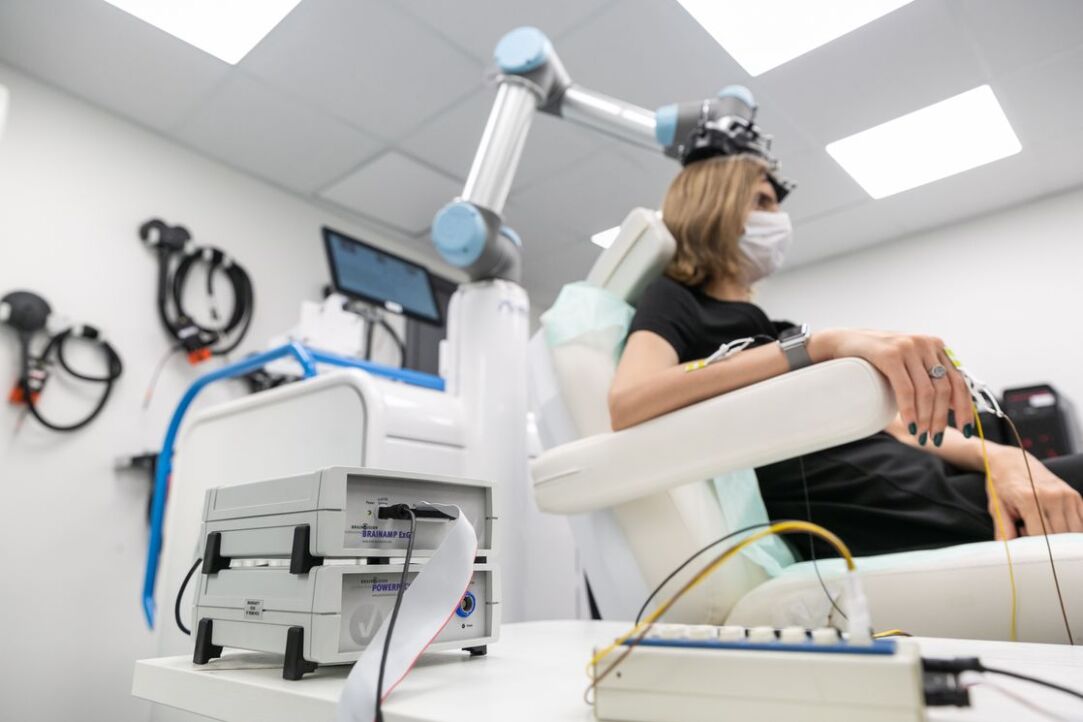
Leading HSE University Scientists to Receive Grants from Ideas Research Centre for Neuroscience Research
The Ideas Centre for Advanced Interdisciplinary Research has announced the results of its 2023 competition. Five leading neuroscientists will receive grants to open graduate positions for early-career researchers who want to work on solutions to fundamental problems in this area. Three of the competition winners are scientists from HSE University: Matteo Feurra (HSE University in Moscow), Anastasia Kolmogorova (HSE University in St Petersburg), and Sofia Kulikova (HSE University in Perm).