

Smoking Habit Affects Response to False Feedback
A team of scientists at HSE University, in collaboration with the Institute of Higher Nervous Activity and Neurophysiology of the Russian Academy of Sciences, studied how people respond to deception when under stress and cognitive load. The study revealed that smoking habits interfere with performance on cognitive tasks involving memory and attention and impairs a person’s ability to detect deception. The study findings have been published in Frontiers in Neuroscience.

Connecting Space and Time: Bilinguals Associate Time with Space in Both Their First and Second Languages
An international team of researchers including scientists at HSE University investigated how bilingual individuals associate time with space. It turns out that in both their first and second languages, people associate the past with the left side of space and the future with the right. In fact, the higher the proficiency in a second language, the more pronounced this relationship becomes. The study findings have been published in Scientific Reports.

Foreign Languages Slow Down Brain Ageing
Medical advances are causing a gradual increase in average life expectancy. However, this comes at a price, as the number of cases of dementia and other neurodegenerative diseases grows with age. Researchers from HSE University (Russia) and Northumbria University (UK) have found that bilingualism can slow down and mitigate the course of age-related changes in the human brain. The study was published in Frontiers in Psychology.
Mine or Ours: The Brain’s Choice
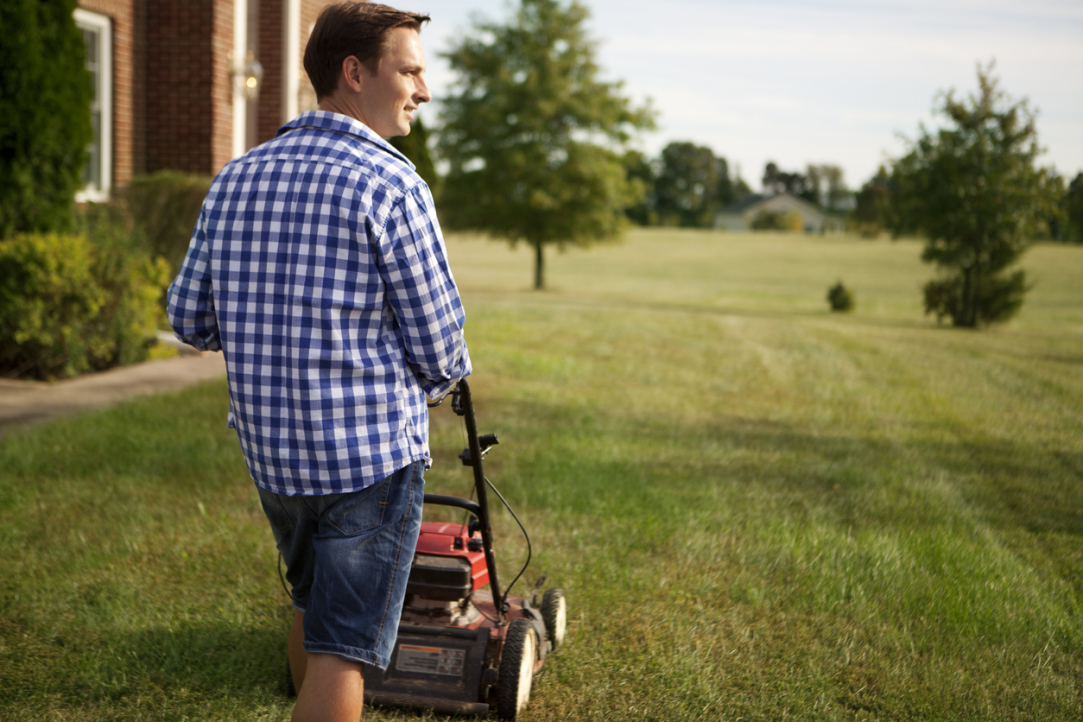
Researchers from HSE University have shown how the brain works differently depending on whether a subject is dealing with common (shared) or private natural resources. The ventral striatum—the so-called pleasure centre—plays a significant role in this process. The study has been published by Social Cognitive and Affective Neuroscience.
Two Worlds of Residents: Car Owners Look at Shared Urban Courtyards Differently from Pedestrians
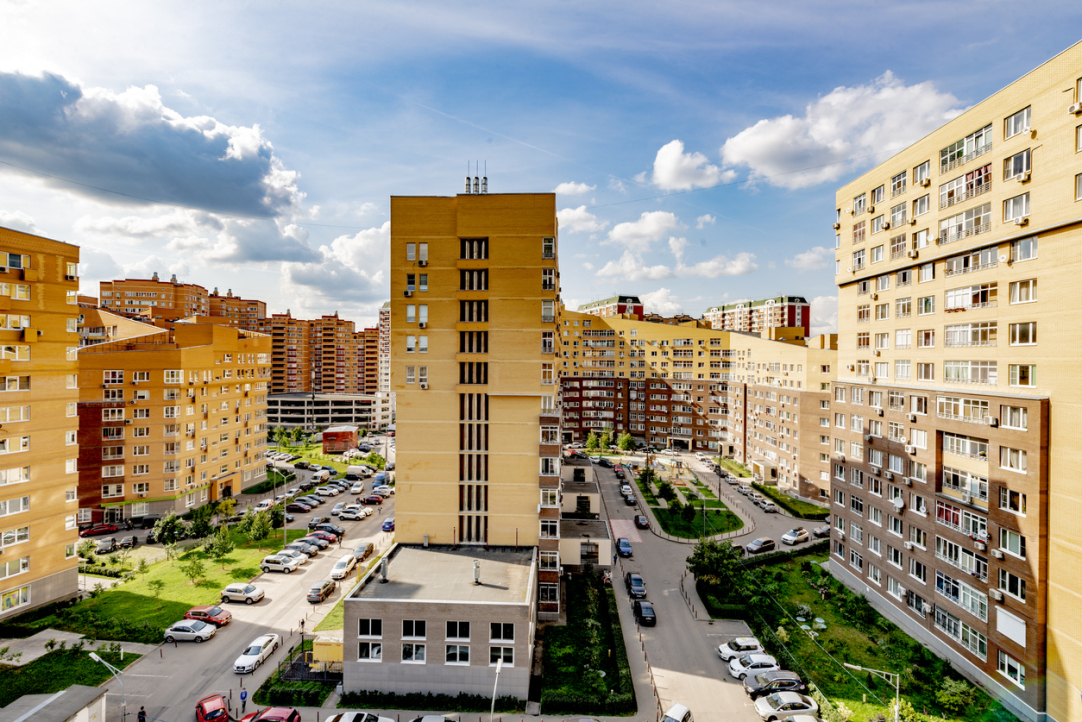
Researchers from HSE University and St. Petersburg State University of Architecture and Civil Engineering (SPSUACE) used eye tracking to study how residents who own cars and those who don’t look at the shared courtyards of multistorey apartment buildings. The study was published in Urban Forestry & Urban Greening.